Tantra
Scientific studies have proven that with passing time the life span and strength of beings is diminishing. Ancient texts describe the life of earlier beings to span over centuries but as the yugas changed, the strength, vitality, and life span of beings of Kaliyug has come to a fraction of what it used to be.
The mystical science of tantra stands most relevant in this age, when life spans are short and people do not live till ripe old ages to perform sadhnas earlier rishis used to perform.
The Most Misunderstood Science
Tantra is a combination of two words, tanauti or expansion and trayati or liberation. It is the science of liberation in modern times. Unfortunately, today tantra is connoted to kamasutra and sexual gratification. Nothing can be more demeaning and ironical than presenting a Tantric, the master of the senses and physical matter, as a slave of the senses and material accomplishments.
No tantric practice involves any ritual of harming another being by means of sacrifice. Rather it is about self conquest.
The Genesis of Tantra
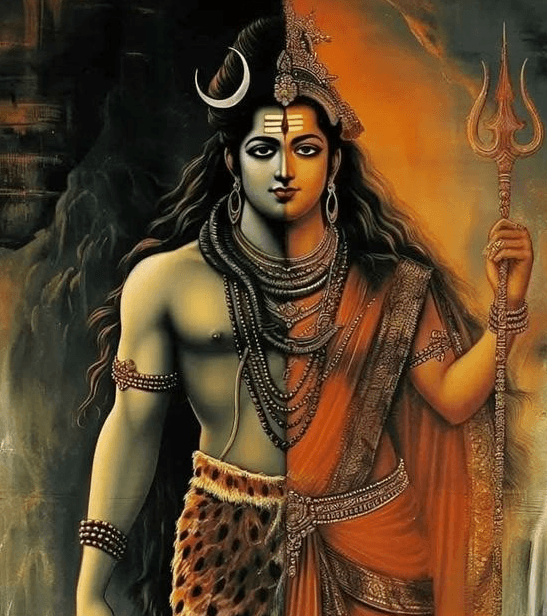
Adiyogi Bhagwan Shiv first gave the science of Tantra and Yoga to Mata Parvati. Hence Bhagwan Shiv and Devi Parvati united as Ardhnareshwar, Shiv and Shakti, which form the basis of Tantra. Practices in Tantra bring these twin forces into an equilibrium and the ultimate state of reality is achieved.
Body is the Vehicle
In Tantra, the body is taken as an aid, a vehicle, a machine which enables your journey. Both Devtas and Pitris (spirits) desire the human birth, as it can take you to boundless states, and therefore it is the most precious to attain.

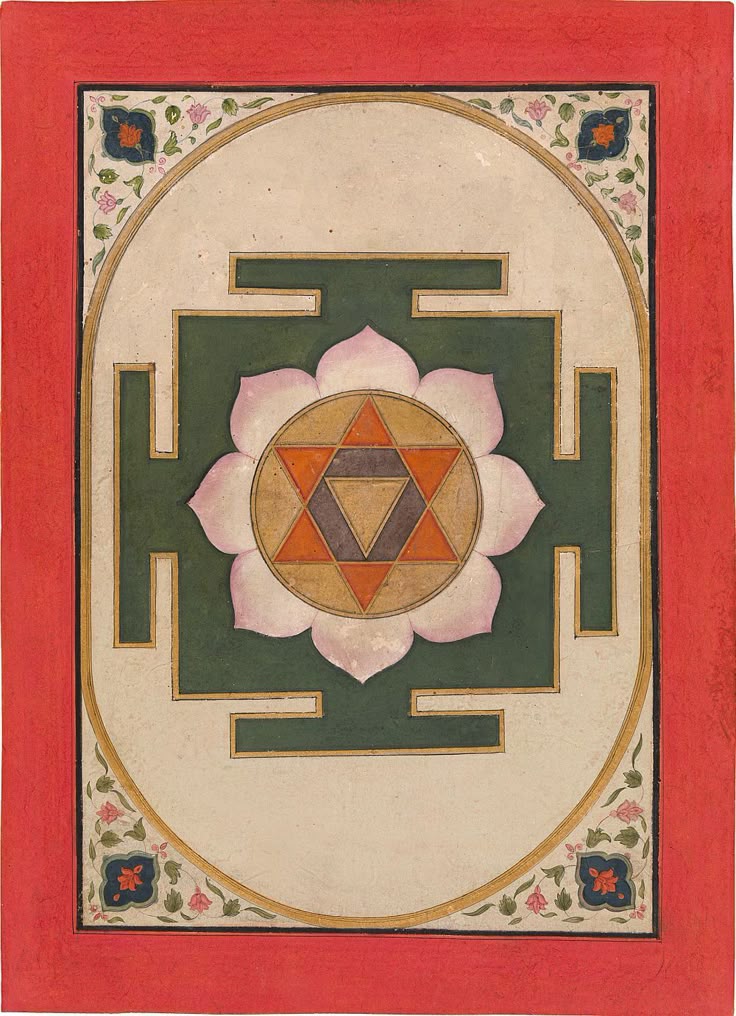
Mantras and Yantras
Tantra uses the twin tools of mantras (codified sounds) and yantras (diagrammatic representations of sounds) in specific procedures.
Learn More
The base chakras in a human body, the mooladhar, at the perineum is the gateway for the Kundalini Shakti to pierce the seven main chakras and endows one with knowledge of Tattwas, elements. Tattwa shudddhi abhyasa reveals the subtle aspects of these elements and chakras to the devoted sadhak even in today's age
Join a Tattwa Shuddhi Workshop

The Kiln of Niyam
Tantra requires strict discipline and adherence to time/niyam. For specific objectives, there are a specific number of chants, specific times of the day and a correct pronunciation. Even the place of the sadhna is very specific; there are certain sadhnas which cannot be performed at home, or in domestic environments.
The Panch Makaras
Many tantrics talk about panch-makaras or 5 elementary practices viz. madya, mansa, matsya, mudra and maithuna. In Tantra, the practices and techniques are generally described allegorically or symbolically, the Guru deciphers the symbols and techniques and gives an insight to the disciple of such practices.
1.Madya
Madya which literally means wine or intoxication actually stands for the nectar which drips from bindu visarg when deeper practices and pranayamas are performed.
2.Matsya
Matsya represents the movement of prana through Ida and Pingala nadis as a result of the practice of pranayamas. Ida and Pingala crisscross like the movement of fish, which stands for Matsya. They establish balance in the body for Kundalini, the serpent power to move in Sushumna nadi.
3.Mudra
Mudra is gesture/posture, and here it stands for Khechari mudra, where the tongue is rolled up to touch the soft palate, which releases pranic energy to reach the bindu from where the nectar drips.
4.Mansa
Mansa or meat is generally understood as offering meat - animal or human sacrifice but tantra is far away from such practices which inflict even the slightest amount of pain on any being. Bali is offering what is yours and even your own body is not yours, you possess only one thing and that is your ichcha/desire. So Mansa symbolises sacrificing yourself by winning over your desires.
5.Maithuna
Maithuna which is misunderstood to be sexual intercourse is actually the union of Shiv and mother in the form of Kundalini Shakti, the ultimate state of dhyan called samadhi and it requires complete control over your physical senses.